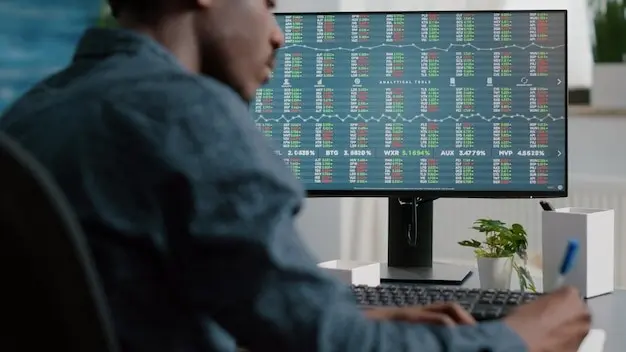
Calm Hands in Wild Markets

Today we explore Stoic investing and practical detachment strategies for volatile markets, translating ancient wisdom into modern portfolio behavior. Rather than promising clairvoyance, we will emphasize process, discipline, and measured action when prices rush like weather fronts. Expect checklists, rituals, and mindset shifts you can apply immediately, so fear and greed become signals to consult your plan, not triggers to abandon it, even when headlines amplify uncertainty and screens glow a worrying shade of red.

Principles that Keep Nerves Steady

Dichotomy of Control, Portfolio Edition

List what you genuinely control: contribution rate, diversification, rebalancing rules, and risk limits. Then list what you do not: tomorrow’s prices, a surprise headline, or a sudden policy shift. Revisit both lists before trades during stress. This simple rehearsal re-centers attention on process, replacing frantic improvisation with known procedures, and carving out a pocket of calm where better decisions reliably emerge.

Amor Fati and Sequence of Returns

Amor fati challenges you to love, not merely tolerate, the path you receive, including unlucky return sequences. Retirees and accumulators face different sequence risks, yet both benefit from pre-defined buffers and flexible spending rules. By preparing responses to difficult but expected episodes, you trade shock for readiness. The market’s storm becomes a necessary teacher, not a reason to abandon well-considered principles mid-journey.

Memento Mori of Capital

Remember capital can die permanently when leverage, concentration, or denial override prudence. Accepting this sobering truth encourages margins of safety, humble position sizing, and staggered entries. You honor uncertainty by refusing to bet reputations on fragile theses. Detachment flows naturally when you acknowledge vulnerability, because your plan already accounts for surprises, distributing risk across assets and time so no single blow proves fatal.

Preparation Rituals Before Turbulence Hits

When seas are calm, you draft the procedures that guide choices when waves rise. Preparation turns chaos into checklists, preserving mental bandwidth for analysis, not panic. Document your allocation targets, rebalancing bands, cash buffers, and emergency steps. Build decision trees that trigger based on observable metrics, not moods. With preparation ritualized, stress reveals a practiced response, while ambiguity finds fewer cracks to exploit.

Practices That Cool the Mind Mid-Storm

Two-Minute Breathing and a Cold Glass of Water

Set a timer for two minutes, inhale slowly, extend exhalations, and deliberately shift attention to bodily sensations. Drink cold water to create a mild reset. These tiny acts are not mystical; they modulate arousal and widen cognitive bandwidth. When screens flash, give physiology time to settle. Clearer thinking follows, allowing your prepared rules to outweigh the reflexive urge to react immediately to every tick.

The 24-Hour Rule Before Significant Moves

Adopt a cooling-off period for major portfolio changes unless pre-specified triggers fire. Use the waiting window to re-check assumptions, gather alternative data, and consult accountability partners. Volatility often compresses into news cycles; perspective expands with sleep. Many disastrous decisions evaporate after a night’s distance, replaced by disciplined actions aligned with criteria you respected before anxiety asked for shortcuts during the loudest moments.

Journal the Feeling, Not the Price

When urge escalates, write the feeling: fear of missing out, regret, or anger. Labeling emotions reduces their control, turning heat into information. Document the intended action and its rationale, then revisit later to learn. Over time, patterns appear, revealing which narratives seduce you during stress. This archive becomes a mirror and a mentor, guiding updates to rules that protect you from your predictable vulnerabilities.

Structures That Reduce Impulsive Clicks

Automation Over Willpower

Automate contributions, dividend reinvestment, and periodic rebalancing where sensible. Machines never wake grumpy, chase rumors, or panic during red candles. Automation is not rigidity; you can override with evidence and pre-defined criteria. However, by letting systems handle routine mechanics, you preserve energy for analysis and safeguard against the countless micro-decisions that accumulate into drift, fees, and timing errors when markets turn exceptionally noisy and seductive.

Rebalancing Bands, Not Vibes

Choose percentage bands around target weights and act only when breaches occur. Bands acknowledge transaction costs, taxes, and noise, preventing endless fiddling. They also transform fear into a signal: falling assets that cross lower bands invite measured buying. Rising assets above upper bands invite trimming. This simple scaffolding grounds decisions in structure, not mood, creating a repeatable, rational cadence regardless of shifting narratives and pundit certainty.

Friction as a Feature

Make large discretionary moves inconvenient on purpose. Require a written memo to self, a second review a day later, or a conversation with a trusted peer. Disable one-click trading for accounts prone to tinkering. Friction buys time and perspective, redirecting urgency into procedure. The goal is not paralysis but a thoughtful pace where conviction survives scrutiny, and passing impulses fail the test of deliberate attention.

Volatility as Information, Not Identity

Rising volatility can mean risk is increasing or opportunity is growing, depending on exposure and horizon. Track realized and implied measures, but translate them into rules: shrink position sizes, widen stops, or pause discretionary trades above thresholds. Volatility describes the weather, not your character. With predefined responses, you avoid over-personalizing turbulence and instead apply appropriately sized actions consistent with your governance framework and capacity for discomfort.

Earnings and Cash Flows Anchor Expectations

Price can sprint, fundamentals jog. Tie decisions to trailing and forward cash flows, not headlines. During storms, revisit whether competitive advantages remain intact, liquidity is sufficient, and management communicates transparently. If fundamentals hold, widening risk premiums may simply offer better entry points. Anchoring on cash generation keeps attention on durable engines of value creation, restoring patience while sentiment oscillates and commentary insists the sky is surely falling.

Stories from Panics and Recoveries

History supplies case studies that compress decades of lessons into vivid weeks. During 2008, liquidity vanished and correlations spiked; in 2020, markets fell and rebounded at record speed; in 2022, tightening repriced duration everywhere. Stoic practices appeared as rebalancing executed against fear, checklists constrained improvisation, and journals recorded urges that were wisely denied. These stories affirm detachment as a practical craft, not a philosophical ornament.

Build Your Own Detachment Plan Today

A plan is courage written down. You already possess preferences, horizons, and constraints; now translate them into rules that survive noise. Start small, iterate monthly, and measure behavior, not bravado. Invite accountability by sharing commitments with a trusted partner. Finally, return here during stress, compare urges with documented steps, and choose alignment over improvisation. Your future self will thank you for boring brilliance.
Temikarodavoxarizento
Privacy Overview

This website uses cookies so that we can provide you with the best user experience possible. Cookie information is stored in your browser and performs functions such as recognising you when you return to our website and helping our team to understand which sections of the website you find most interesting and useful.